


HISTORY
ARCHITECTURE
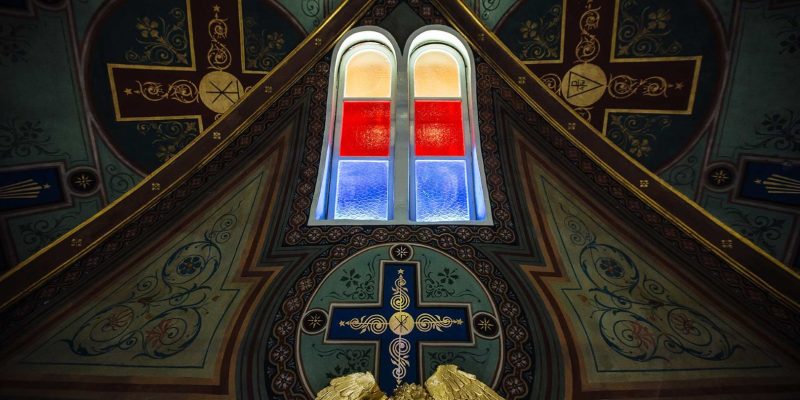
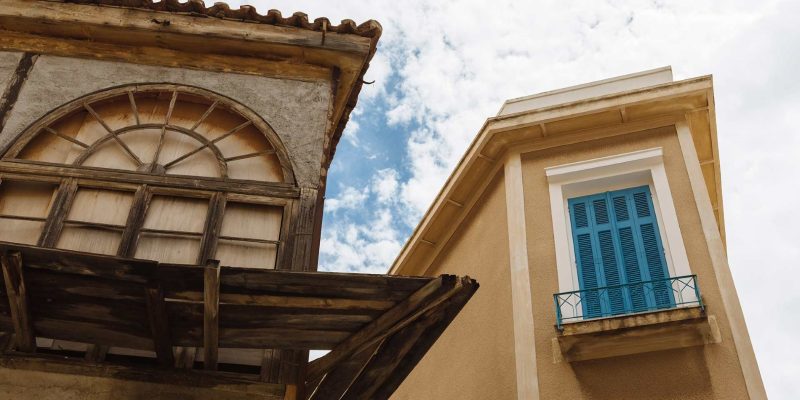
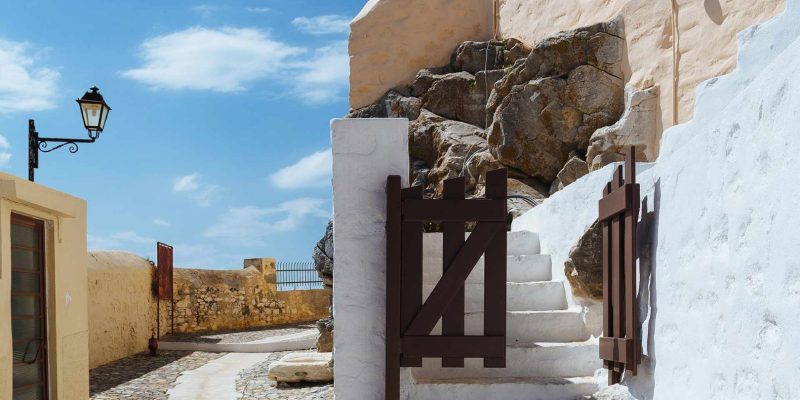
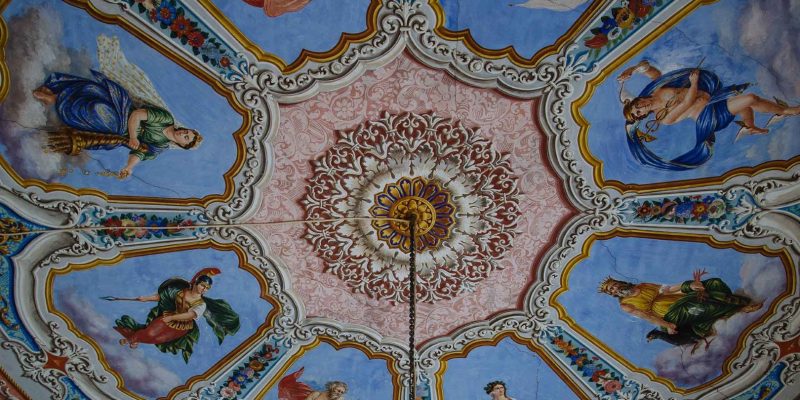
It is not a surprise that the Queen of the Cyclades stands out for its impressive architectural culture that has predetermined the unparalleled blossoming of the Cycladic civilization. The first signs of architectural growth appeared during the period 1821-1835 by refugees who settled on the island and brought along basic architectural elements influenced by the Western and Eastern civilizations as well as from classicism.
Classicism is characterized by two-storey houses with an upper floor and a basement, stone-plastered walls, wooden floors, roofs, roof tiles, wooden cornices, balconies, open terraces, courtyards and outdoor staircases connecting the two floors.
Along with classicism the Venetians and Genoese bring to the island one more characteristic of urban construction inspired by the Italian Renaissance. Buildings become multistoried with tiled roofs and large symmetrical openings.
Gradually Ermoupolis entirely adopts the European classicism while refugee influences are being preserved only in popular neighborhoods.
In 1837 Wilhelm von Weiler implements the first street plan and establishes the monumental neoclassical architecture of Syros which becomes a symbol of status for the island.
Recommendations
HISTORY
Today Syros with its capital Hermoupolis is an island gem with a well-developed economy, tourism and agricultural production while the operation of the shipyard, of public services, of the Department of product and systems design engineering at the University of the Aegean as well, contribute to the long-term development of the island.
Entertainment
The cosmopolitan island of Syros is a picturesque island offering various choices of entertainment for all tastes and preferences
Museums
Syros is an island famous both for its blooming culture as well as its long history. A history unfolding from ancient times and slowly passing through the industrial heritage, the ecclesiastical Orthodox and Catholic tradition and all the way to the tunes of “rebetika”. A story that is coming alive through the exceptional exhibits in all museums found on the island.
Churches
One of the most unique characteristics of Syros is the typical coexistence of the Orthodox and Catholic religion, a truly unique coexistence reflecting the island’s cosmopolitan and liberal character
Archaeological Sites
In addition to the historical, cultural and nautical heritage that Syros is well known for it is also an island of great archaeological wealth worth discovering
Sightseeing
Syros is a beautiful island of the Cyclades, famous for its incomparable culture and civilization offering an abundance of sights and historical attractions that testify the island’s cultural flourishing over the centuries.
Beaches & Water Sports
The beaches of the island are some of the nicest beaches of the Cyclades meeting the tastes and preferences of all travelers
Customs & traditions
The morals, customs and traditions of the island are revived during religious holidays and local events inspired by the roots of the past. The traces of the local cultures are awaken through various customs such as Fotaerides, Klidonas, Koulouma, Choirosfagia, the Carnival of Syros and the unique Easter celebrations.